Key Takeaways
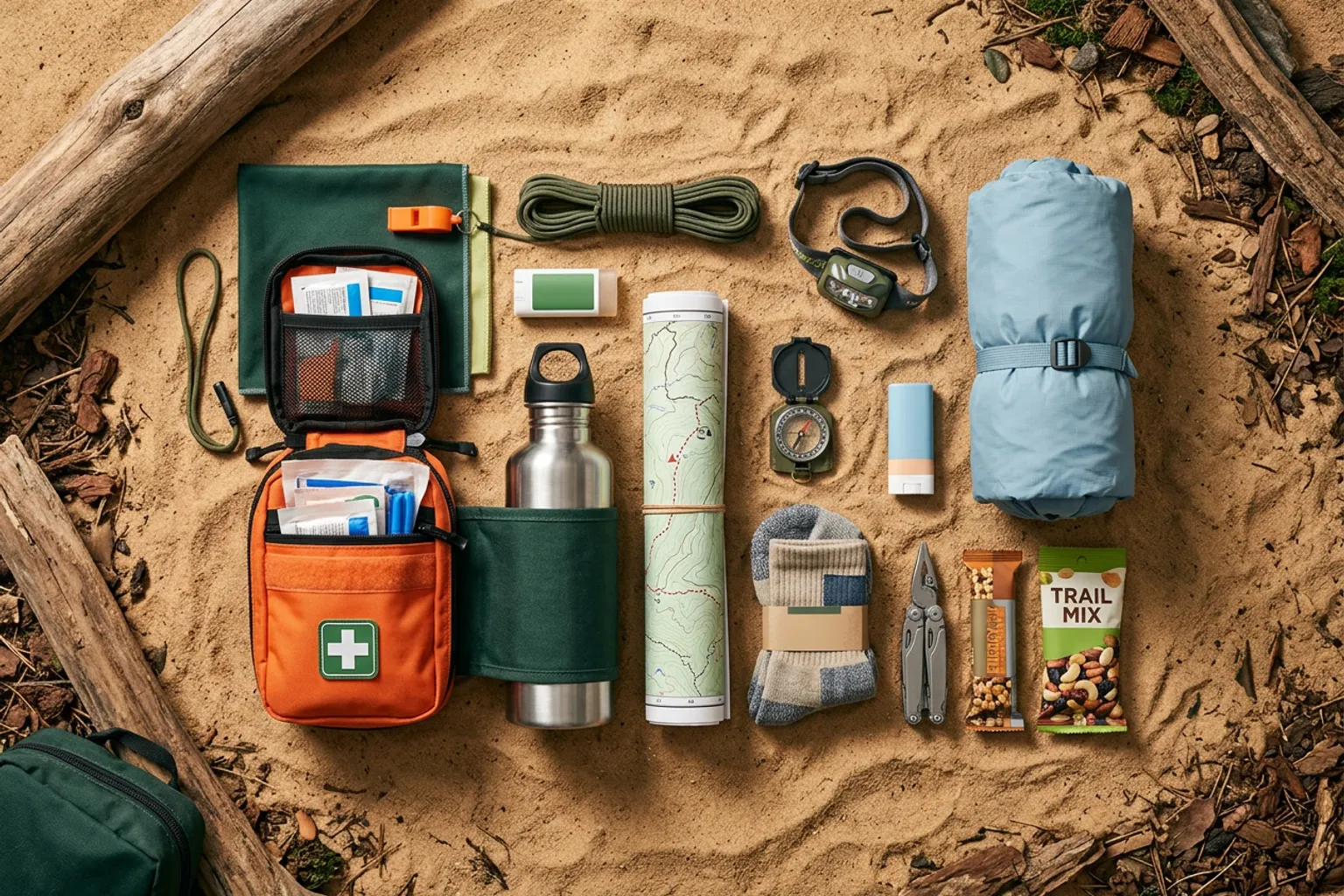
- Beginner hikers should pack systems, not random objects: hydration, navigation, light, weather, food, first aid, and signaling.
- Water needs depend on heat, humidity, exertion, route length, refill access, and the individual; carry a reserve instead of relying on one universal number.
- Set a turnaround time and weather cutoff before the hike so summit or mileage goals do not override a safe return.
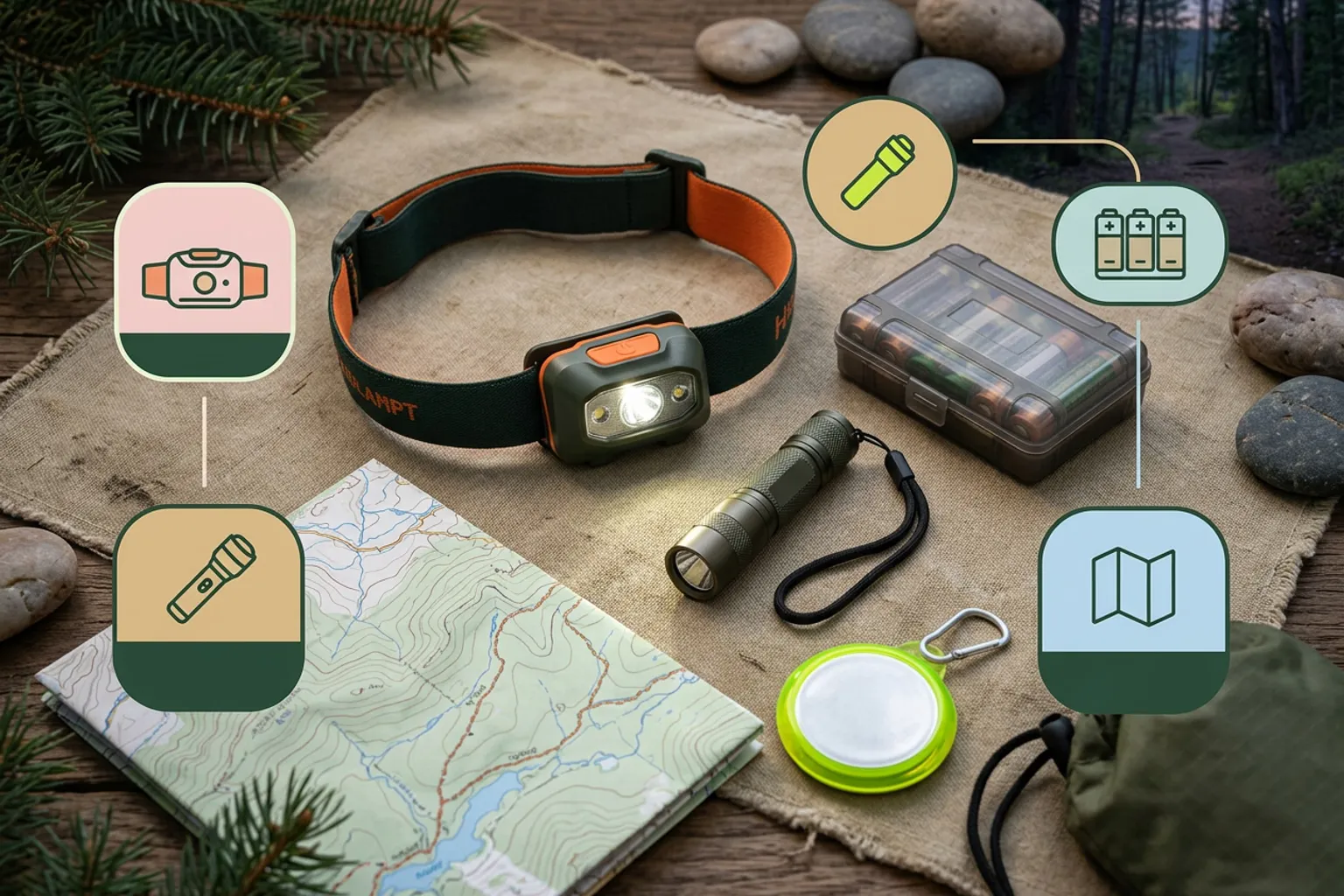
- A headlamp belongs in a daypack even when the plan starts in daylight.
- The best summer day hike checklist prevents heat, sun, storm, and late-return problems before buying more gear.
How this guide was built
Fopoto reviews day hiking essentials checklist for beginners through a compact-kit lens: likely failure points, packability, weather changes, first aid, navigation, and backup light. We start with the safety baseline, then cut anything that adds bulk without covering a realistic field problem. This guide is written for the practical search intent behind day hiking essentials for beginners and related questions like what to pack for a day hike, beginner hiking safety checklist, day hike packing list.
Day Hiking Essentials Checklist for Beginners is not about buying more gear. It is about building a small, repeatable system for day hiking that still works when the day gets longer, colder, wetter, or more confusing than planned.
| Layer | What it covers | When to pack it |
|---|---|---|
| Must pack | Water, snacks, map/offline route, weather layer, first aid, headlamp | Every day hike |
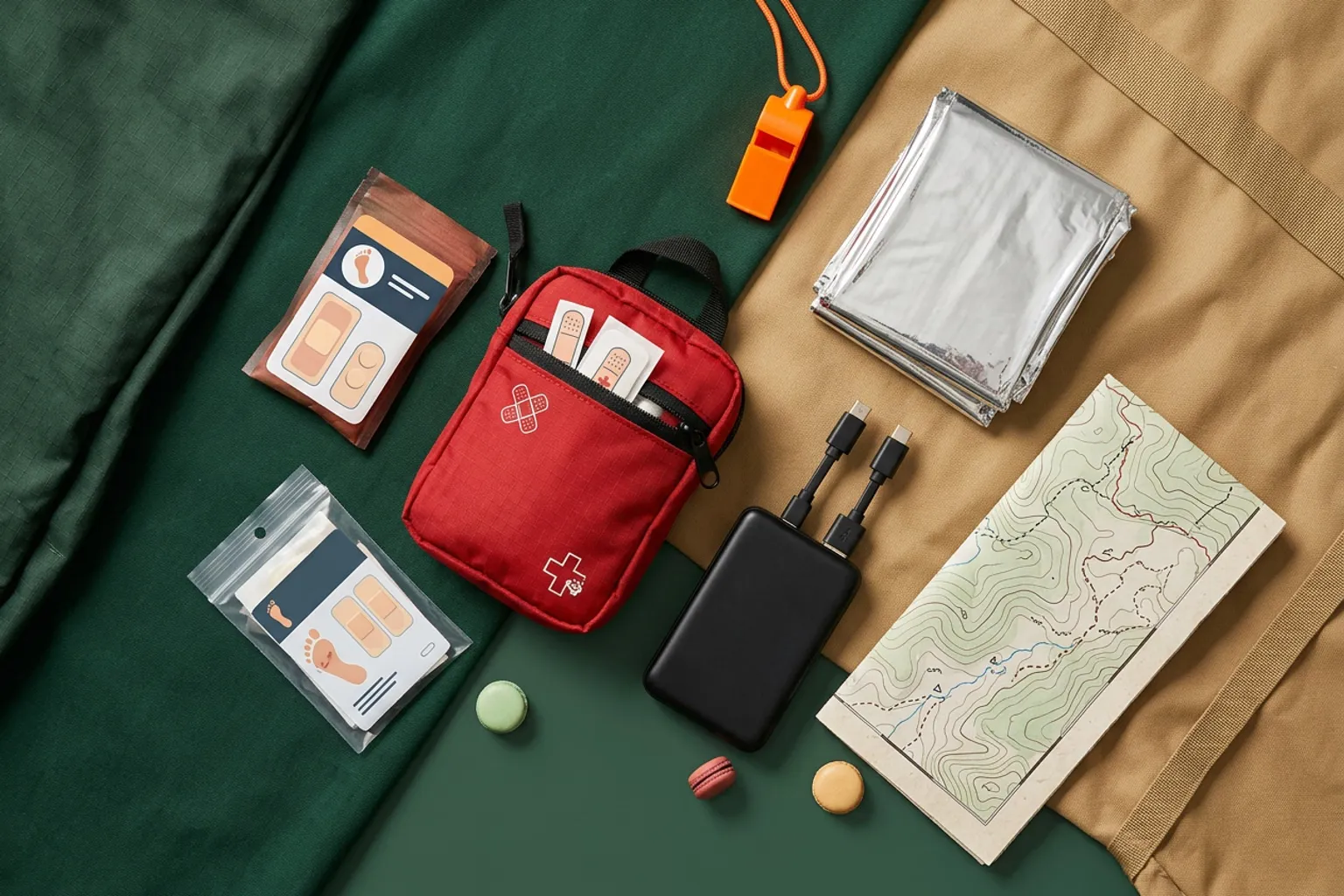
| Smart backup | Water reserve, power bank, whistle, emergency blanket, blister care | New trails or variable weather |
| Hot-weather additions | Sun hat, sunscreen, electrolytes if appropriate, cooling layer | Heat, humidity, exposed routes |
| Late-return plan | Turnaround time, headlamp, offline map, contact plan | Every route with timing uncertainty |
How much water should you carry on a summer day hike?
Plan water from the route, forecast, exposure, refill reliability, pace, and your own needs. Hot, humid, steep, or exposed hikes require more margin than cool shaded walks. Begin hydrated, carry a reserve, and do not assume an unverified stream or closed facility will be available.
There is no single water quantity that fits every hiker and route. Shorten or postpone the hike when you cannot carry or access a safe margin.
What weather and turnaround cutoffs should beginners set?
Check the latest local forecast and route conditions before leaving. Decide the time you will turn back even if the destination is close, and name the conditions that cancel the plan: unsafe heat, thunderstorms, wildfire restrictions, poor visibility, or a route taking much longer than expected.
Turning back is a normal hiking decision, not a failed trip. Record the cutoff before the hike so fatigue and goal pressure do not move it later.
How should you plan for heat illness?
Choose a cooler start time, reduce exposed mileage, wear sun protection, drink regularly, and watch for headache, nausea, dizziness, unusual weakness, confusion, or coordination problems. Stop exertion, seek shade, cool the person, and get emergency help when symptoms are severe or worsening.
Local emergency and park guidance takes priority. Heat tolerance varies, and acclimatization does not remove the need for conservative planning.
Why pack for a late return on a daytime hike?
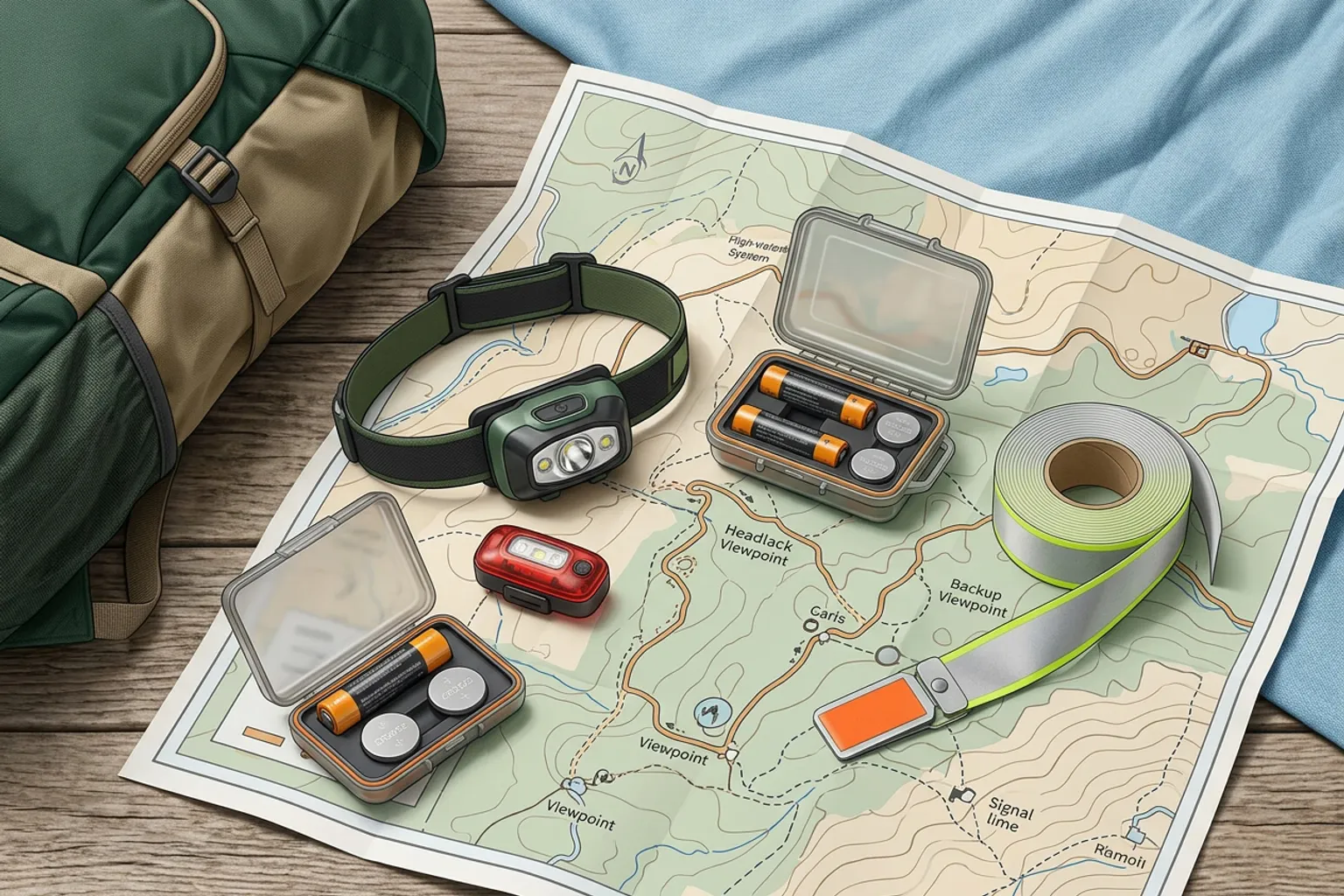
Navigation errors, slow footing, weather, photos, minor injuries, and fatigue can push a short route beyond its planned finish. A headlamp, offline map, charged phone, small power bank, warm or rain layer, and shared return plan preserve options when daylight disappears.
Keep the headlamp and safety pouch reachable without unpacking the whole bag.
Compact checklist
- Main safety item for the route, season, and time of day.
- Specific plan for a plan that runs late, gear that gets wet, a phone that dies, or one missing item that turns a small problem into a long delay.
- Backup light or backup power if the trip can run late.
- Weather layer that works for both wind and rain.
- Small first aid and blister kit sized for the group.
- Navigation backup that does not depend only on cell service.
- Carry rule: make every carried item answer a specific failure point before it earns space in the kit.
Frequently asked questions
What should a beginner take on every day hike?
Water, food, navigation, weather protection, first aid, a headlamp, sun protection, and a way to signal are the baseline. Adjust the size of each item to the trail, weather, and daylight.
What should I add for a summer day hike?
Add water capacity and reserve, sun protection, a cooler start time, weather and heat cutoffs, and a clear turnaround time. Keep the normal navigation, first aid, lighting, food, and signaling baseline.
Do I need a headlamp for a daytime hike?
Yes, if there is any chance of delay. A compact headlamp or backup light is small, but it solves a serious problem when a short hike runs late.
What is the biggest beginner hiking mistake?
The biggest mistake is planning only for the best version of the day. Pack for a late finish, wet layer, tired feet, phone drain, and a slower return than expected.
Sources
- Mountain Rescue England and Wales: Summer in the Mountains, retrieved August 16, 2026. Current summer guidance on weather, route planning, water, food, sun protection, navigation backup, and turning back.
- National Park Service: Hike Smart, retrieved August 16, 2026. Official guidance on essentials, route planning, hydration, weather, communication, and hiking within your limits.
- National Weather Service: Outdoor Heat Safety, retrieved August 16, 2026. Official heat guidance covering hydration, sun protection, planning, and warning signs of heat illness.
- National Park Service, Ten Essentials , retrieved August 16, 2026. Used as the safety baseline for compact outdoor packing systems.
- American Red Cross, First Aid Kit guidance , retrieved August 16, 2026. Used for first-aid kit scope and emergency-preparedness checks.
- Fopoto Editorial Policy, updated August 16, 2026. Explains the scenario-first review method, AI-assisted image disclosure, and source standards.
- Fopoto Field Desk, updated August 16, 2026. Describes the editorial team, review boundaries, correction path, and compact-kit evaluation method behind this guide.
Updated August 16, 2026 / 8 min read