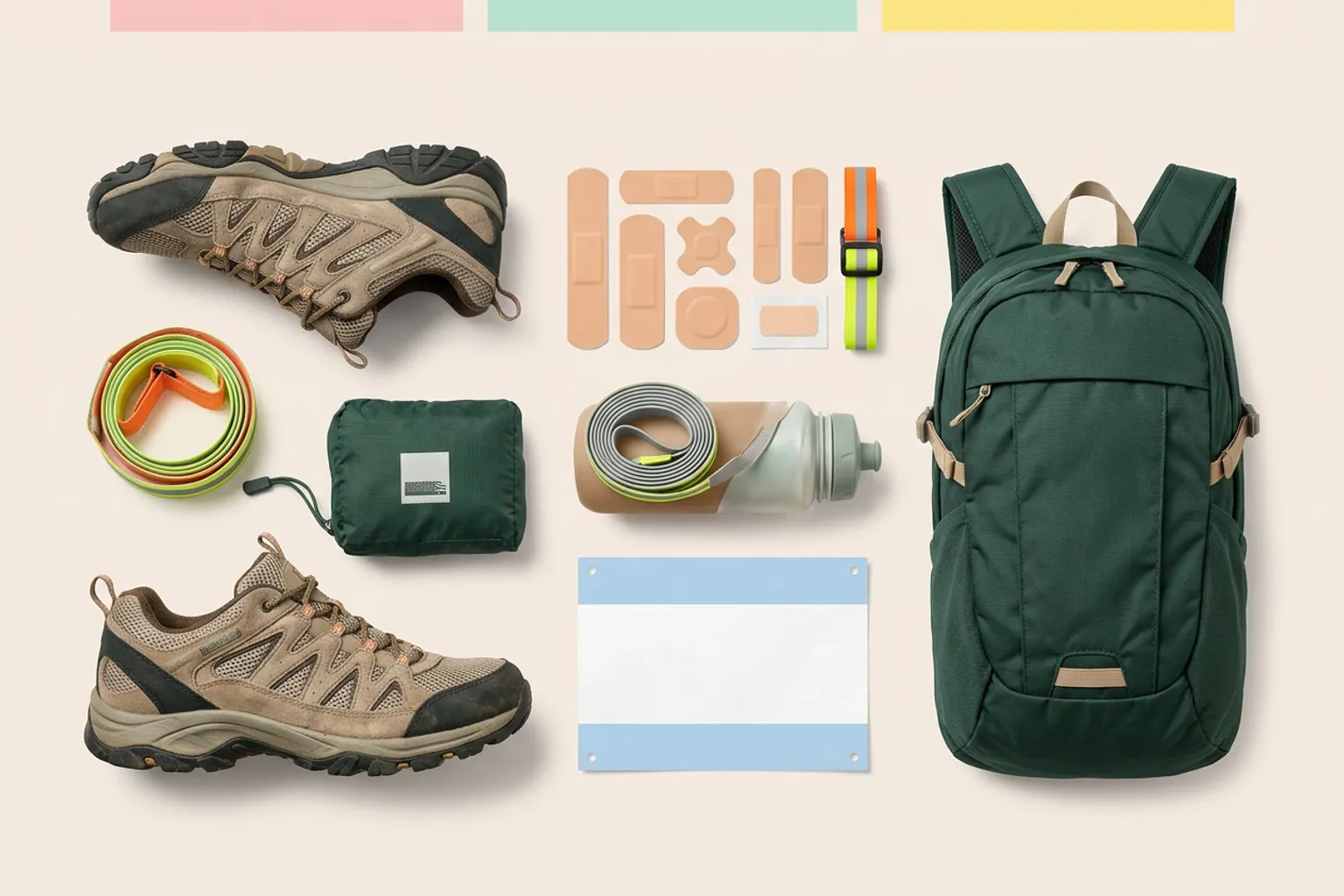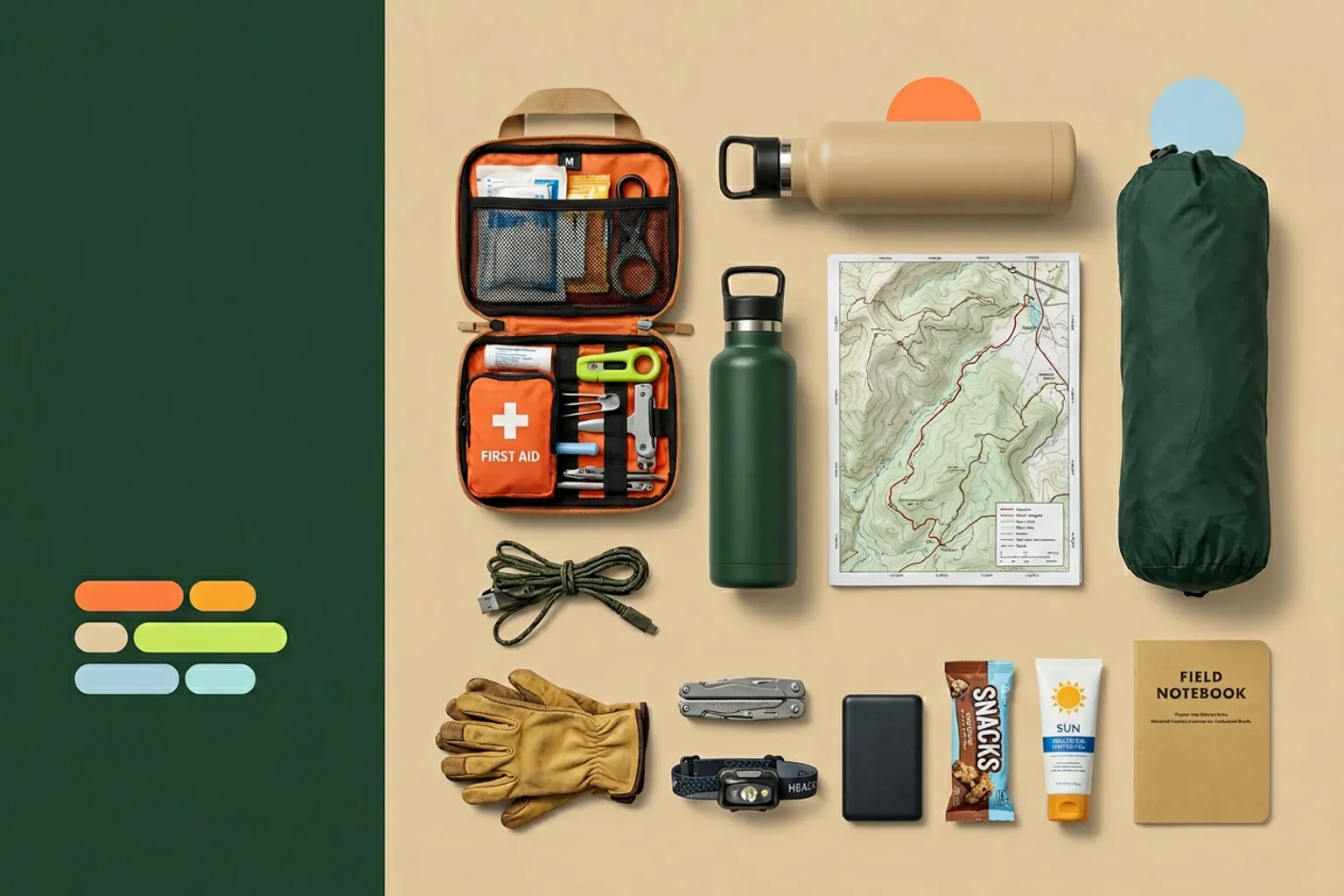
Key Takeaways
- Outdoor volunteer gear should support a long static shift, not just walking comfort.
- Checkpoint crews need visibility, communication, note-taking, weather protection, and basic first aid close at hand.
- A small flashlight or backup light is useful for setup, teardown, lost items, and low-light participant support.
- The best volunteer kit separates personal comfort from event-required equipment.
How this guide was built
Fopoto reviews outdoor volunteer gear checklist through a compact-kit lens: likely failure points, packability, weather changes, first aid, navigation, and backup light. We start with the safety baseline, then cut anything that adds bulk without covering a realistic field problem. This guide is written for the practical search intent behind outdoor volunteer gear checklist and related questions like outdoor event volunteer gear, first aid volunteer packing list, checkpoint volunteer kit.
Outdoor Volunteer Gear Checklist is not about buying more gear. It is about building a small, repeatable system for volunteers that still works when the day gets longer, colder, wetter, or more confusing than planned.
| Layer | What it covers | When to pack it |
|---|---|---|
| Checkpoint crew | Layering, water, snacks, pen, event sheet, small light | Long static shifts |
| Course marshal | Hi-vis layer, phone power, weather shell, gloves, whistle if assigned | Road or trail junctions |
| Setup team | Work gloves, tape, marker, headlamp, compact tool, water | Early starts and teardown |
| First-aid support | Only assigned supplies, personal blister care, hygiene items | Follow event role rules |
What should outdoor event volunteers bring?
Bring the event-required items first, then add personal gear for a long shift: water, snacks, weather layers, phone power, sun or rain protection, a small light, hand care, and a way to keep notes dry. Volunteers often stand still longer than participants, so warmth and comfort need different planning.
Standing in wind or rain can feel colder than walking the route. Pack for the role, not the forecast headline.
What does a checkpoint crew need?
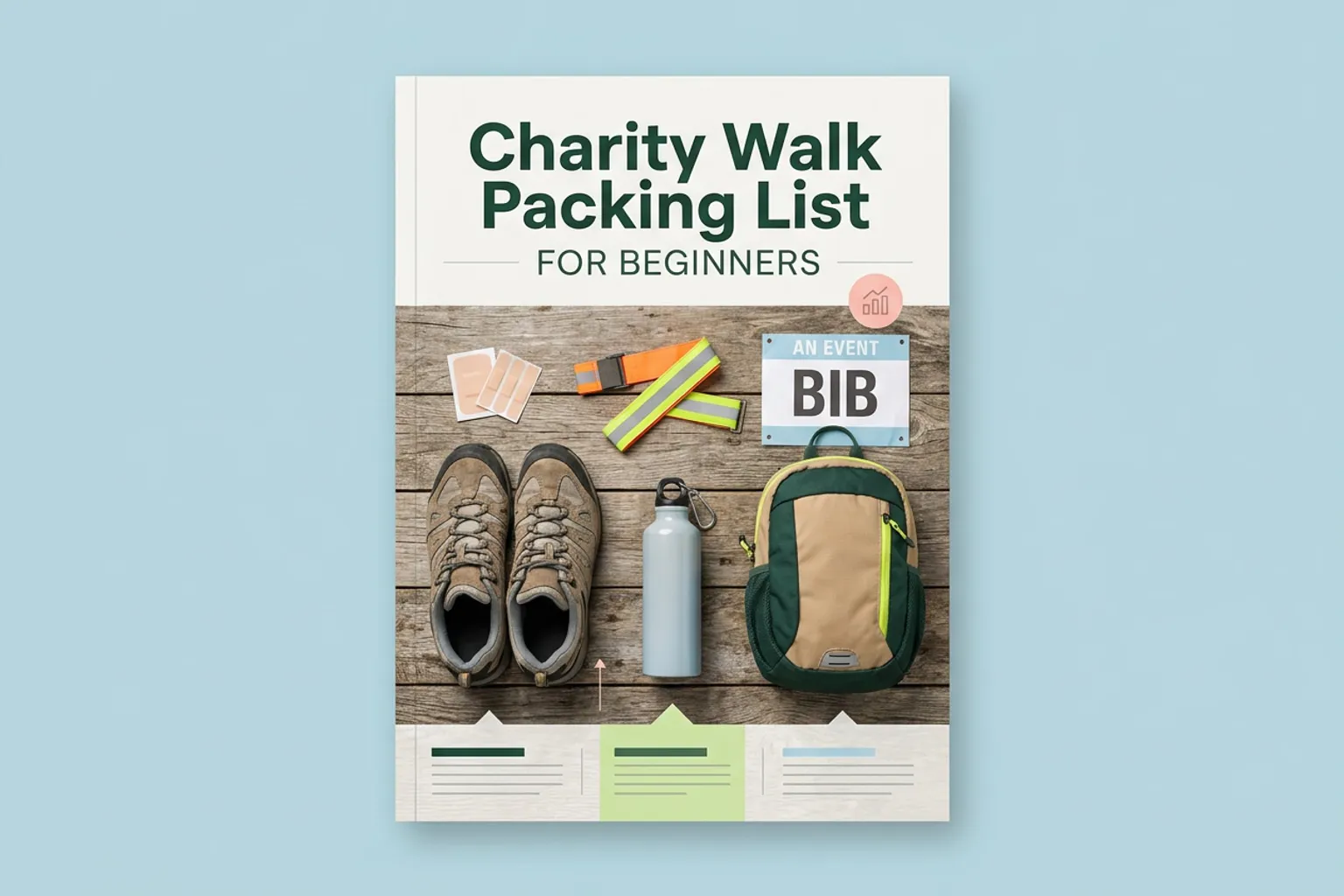
Checkpoint crews need clear visibility, quick access to event instructions, a charged phone, a backup power plan, a pen, a small light, and enough personal food and water to stay useful through the shift. If you handle supplies, add gloves and a small trash plan.
The best checkpoint kit lets you answer questions without digging through a backpack.
What should marshals and route guides prioritize?
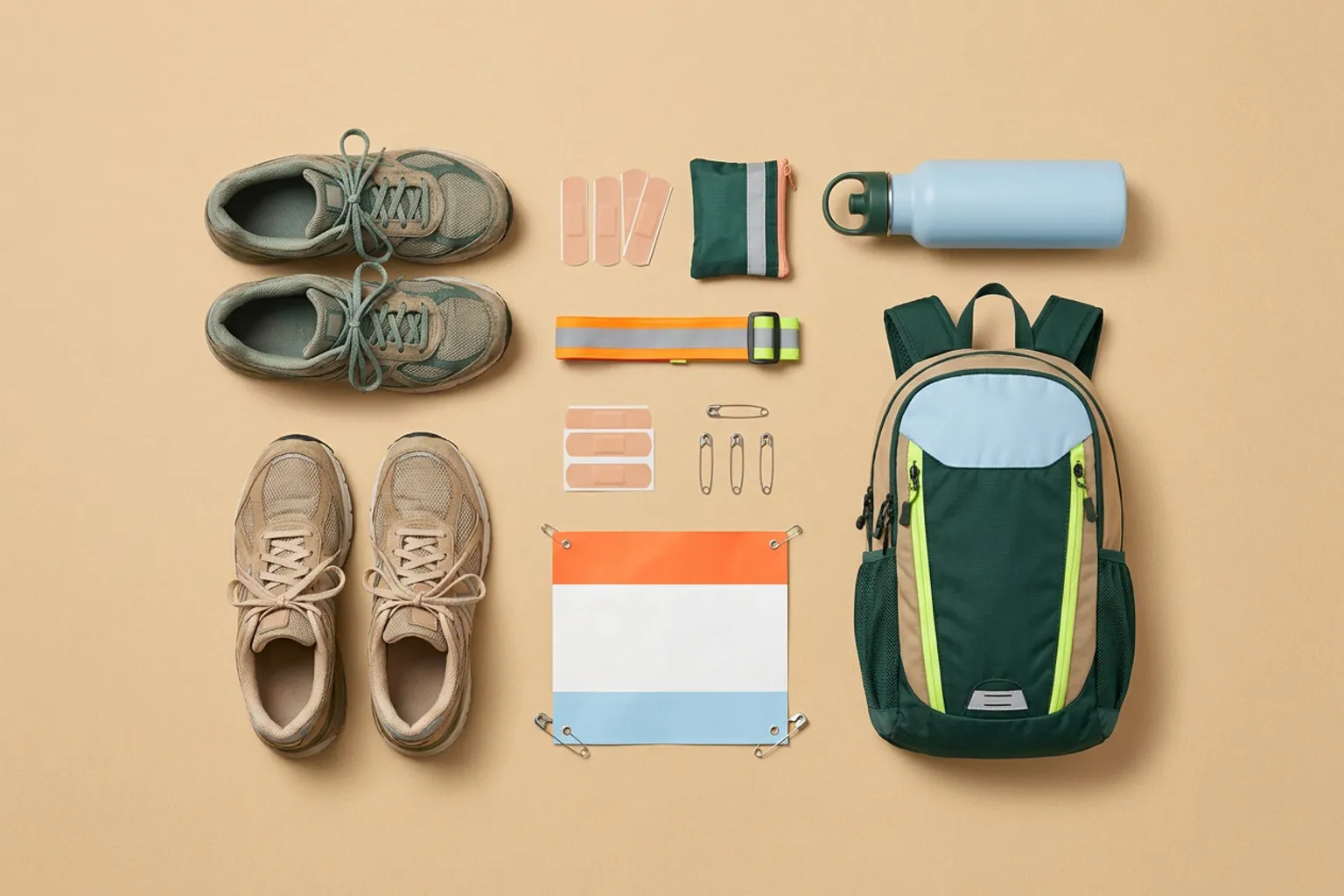
Marshals should prioritize visibility, communication, weather protection, and assigned safety tools. Do not improvise directions beyond the event plan. Keep the route sheet, emergency contact process, and phone power easy to reach.
A visible, calm volunteer is part of the safety system for tired participants.
How do you keep volunteer gear compact?
Use one role pouch for event documents, pen, tape, small light, power bank, and personal medication. Use one weather layer system for your body. Use one snack and water plan for the shift length. Avoid carrying duplicate tools unless the organizer assigned them.
Compact volunteer gear works because every item is tied to a role, not because the bag is empty.
Compact checklist
- Main safety item for the route, season, and time of day.
- Specific plan for a plan that runs late, gear that gets wet, a phone that dies, or one missing item that turns a small problem into a long delay.
- Backup light or backup power if the trip can run late.
- Weather layer that works for both wind and rain.
- Small first aid and blister kit sized for the group.
- Navigation backup that does not depend only on cell service.
- Carry rule: make every carried item answer a specific failure point before it earns space in the kit.
Frequently asked questions
What should I bring as an outdoor event volunteer?
Bring event-required gear, water, snacks, weather layers, phone power, ID, event notes, a pen, personal medication, a small light, and visibility gear if your role is near roads, trails, or low-light areas.
Do event volunteers need first-aid gear?
Bring personal first-aid basics for yourself, such as blister care or medication. For participant first aid, follow the event organizer role and supplies instead of improvising beyond your training.
Why does a volunteer need a flashlight?
A small light helps with early setup, late teardown, reading event notes, finding dropped items, and supporting delayed participants when daylight fades.
Sources
- National Park Service, Ten Essentials , retrieved July 12, 2026. Used as the safety baseline for compact outdoor packing systems.
- American Red Cross, First Aid Kit guidance , retrieved July 12, 2026. Used for first-aid kit scope and emergency-preparedness checks.
- Fopoto Editorial Policy, updated July 12, 2026. Explains the scenario-first review method, AI-assisted image disclosure, and source standards.
- Fopoto Field Desk, updated July 12, 2026. Describes the editorial team, review boundaries, correction path, and compact-kit evaluation method behind this guide.
Updated July 12, 2026 / 6 min read