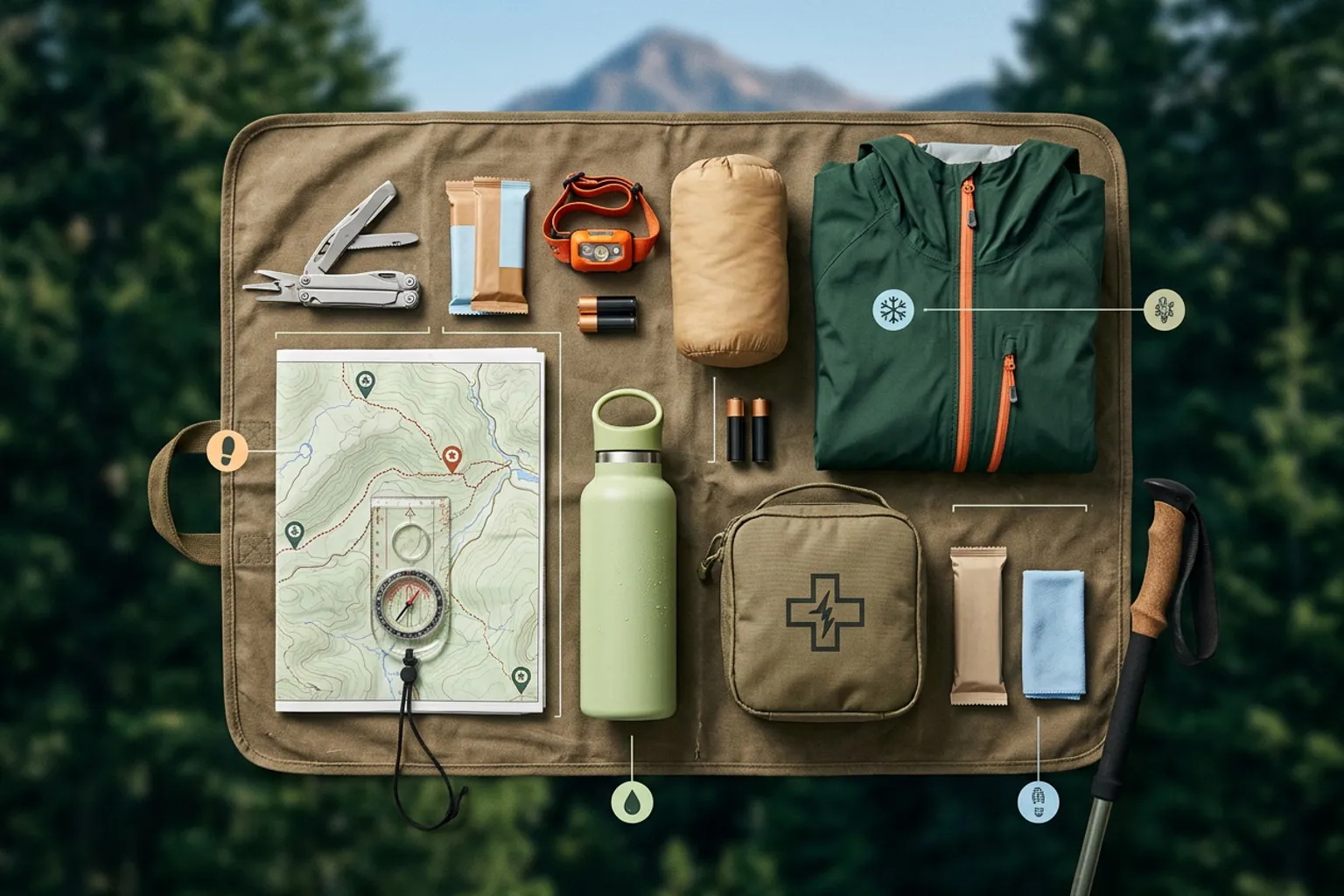
Key Takeaways
- 10K walk gear should prioritize feet, hydration, weather, phone battery, and event access before comfort extras.
- The best 10K walking kit fits in a small daypack, waist pack, or running vest.
- Blister prevention matters more than carrying many gadgets.
- Pack the event-day details: ID, route information, bib or ticket, meeting point, and emergency contact.
How this guide was built
Fopoto reviews 10k walk packing list for beginners through a compact-kit lens: foot care, visibility, hydration, weather changes, and phone battery planning. We start with the safety baseline, then cut anything that adds bulk without covering a realistic field problem. This guide is written for the practical search intent behind 10K walk packing list and related questions like 10K walk packing list for beginners, what to bring to a 10K walk, walking event checklist.
10K Walk Packing List for Beginners is not about buying more gear. It is about building a small, repeatable system for 10k walks that still works when the day gets longer, colder, wetter, or more confusing than planned.
| Layer | What it covers | When to pack it |
|---|---|---|
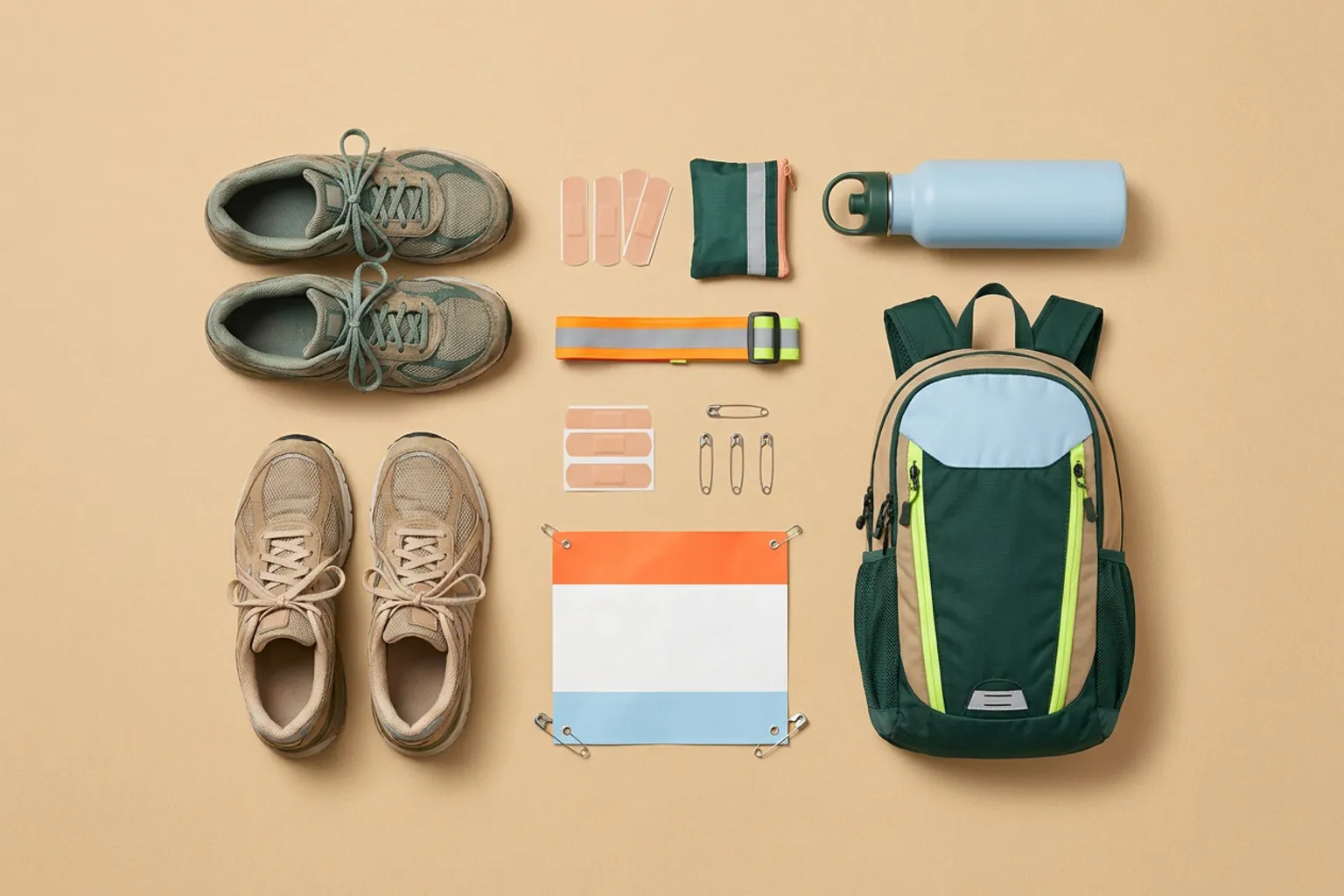
| Feet | Broken-in shoes, tested socks, blister plasters, small towel | Before every 10K walk |
| Hydration and energy | Water bottle, simple snack, electrolyte if you use it | Warm days or slow groups |
| Weather and visibility | Light shell, cap, sunscreen, small light or reflective marker | Variable forecast or road sections |
| Event admin | Phone, power bank, ID, ticket, route, emergency contact | Organized walks |
What should you bring to a 10K walk?
Bring tested shoes, moisture-managing socks, blister care, water, one or two simple snacks, weather protection, ID, event details, phone power, and any personal medication. A 10K is short enough that the kit should stay compact, but long enough that small discomforts can become the main memory of the day.
Do not use event day to test new shoes, new socks, or a new bag. Test the friction points first.
How much should you carry?
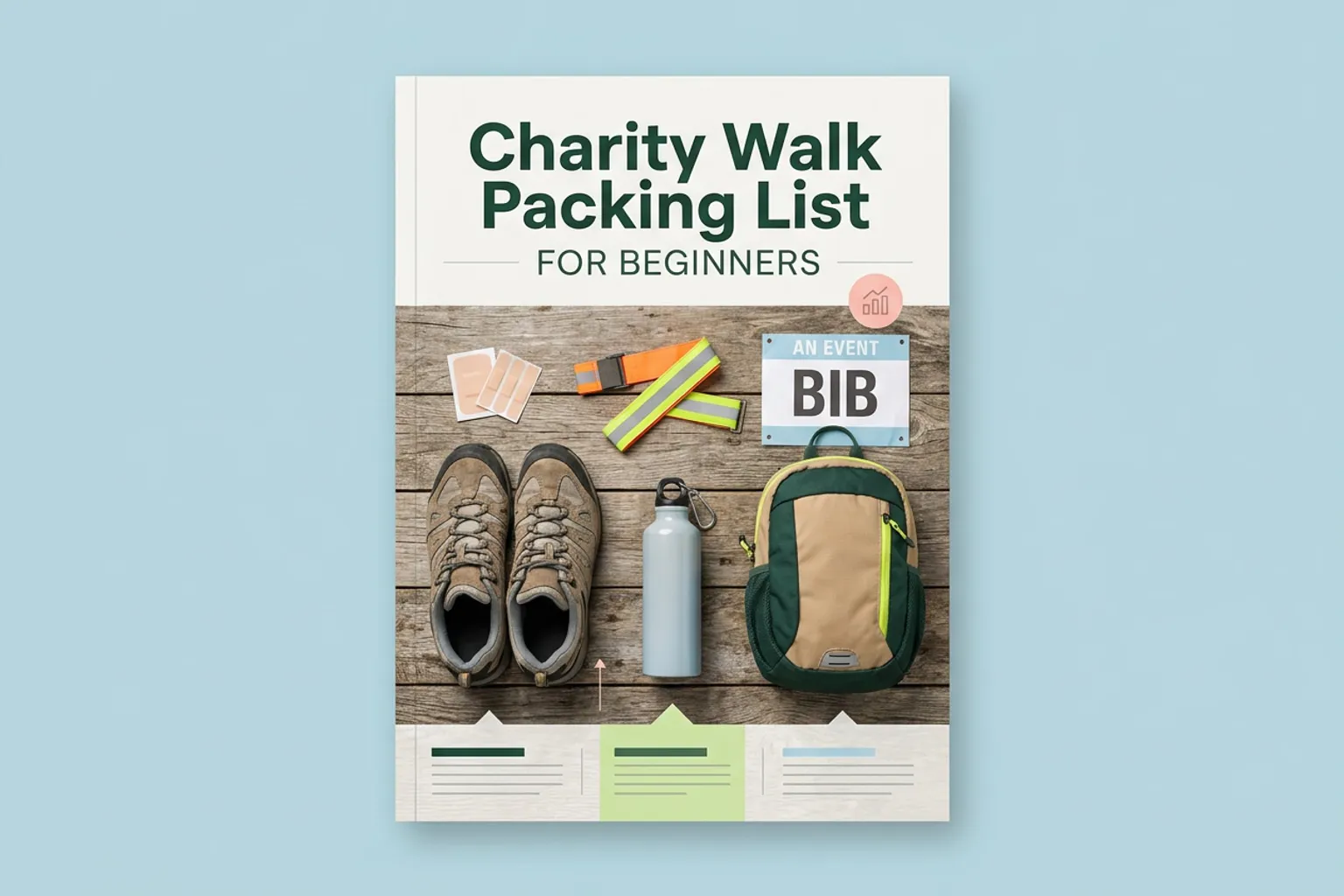
For a supported 10K walk, most people only need a small waist pack, running vest, or compact daypack. The bag should hold water, blister care, phone, small layer, and event documents without bouncing or rubbing shoulders.
If the bag changes your stride, it is already too much for a beginner 10K walk.
What changes for charity walks and city events?
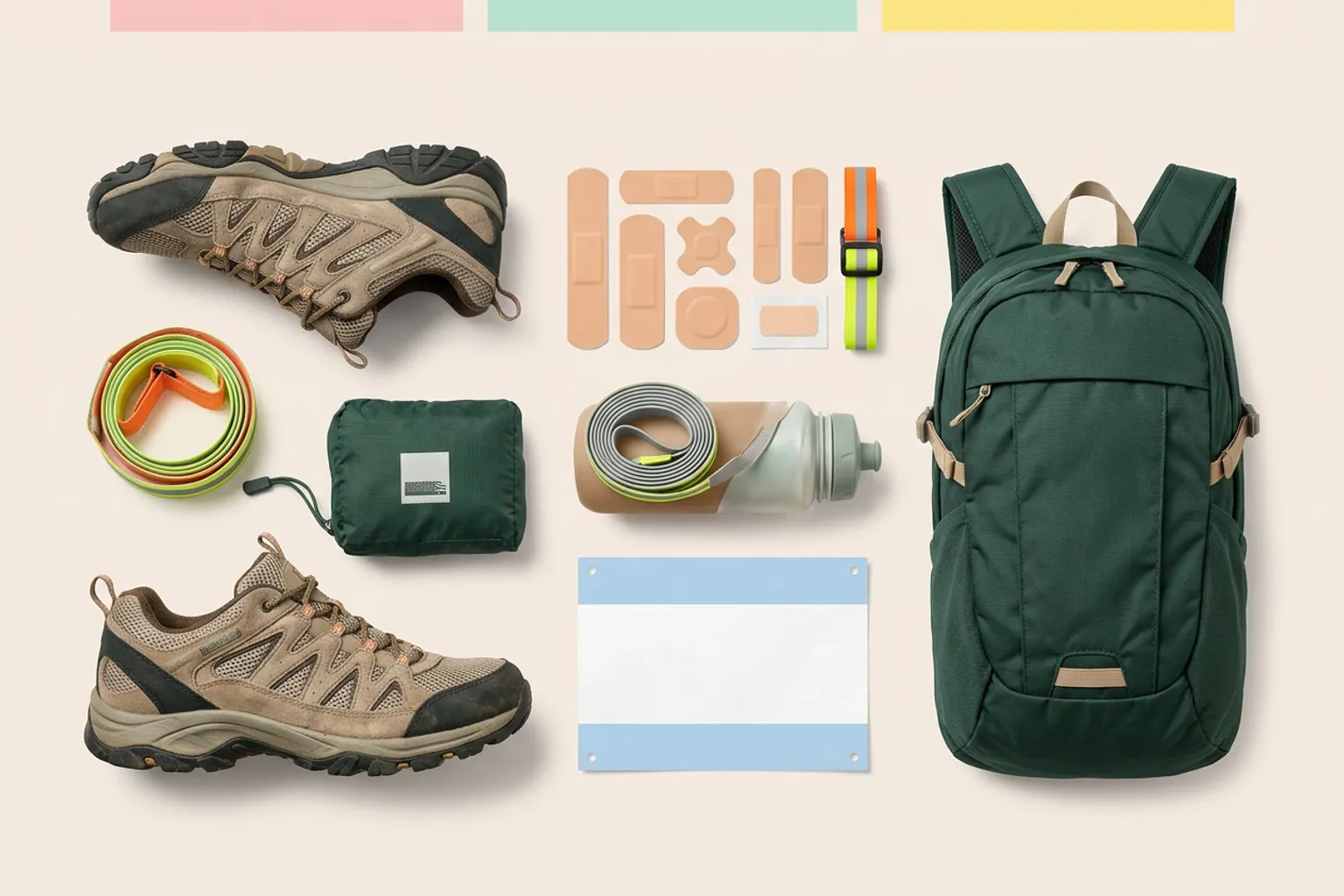
Charity walks and city events add admin items: meeting point, donation or registration information, bib, route map, transport plan, and contact details for the group. If the route uses roads, bridges, or low-light starts, add a reflective marker or small visibility light.
The event checklist should live on your phone and in one small offline note or printout.
What should beginners leave at home?
Leave heavy camera gear, spare shoes, large first-aid kits, full lunch kits, and bulky jackets at home unless the event specifically requires them. Carry compact versions of the functions you actually need: dry, hydrated, visible, reachable, and blister-ready.
A lighter kit usually protects the feet better than a bag full of just-in-case comfort items.
Compact checklist
- Main safety item for the route, season, and time of day.
- Specific plan for long pavement time, weather swings, blister build-up, phone drain, and crowded event conditions.
- Backup light or backup power if the trip can run late.
- Weather layer that works for both wind and rain.
- Small first aid and blister kit sized for the group.
- Navigation backup that does not depend only on cell service.
- Carry rule: pack for the hour after you expected to finish, when feet, weather, and battery life matter most.
Frequently asked questions
Do I need a backpack for a 10K walk?
Not always. A waist pack or running vest can work if water is provided on route. Use a small daypack when you need layers, medication, snacks, or event documents.
How much water should I carry for a 10K walk?
Carry enough for the weather, your pace, and the available water stations. Many walkers use one bottle for a supported 10K, then adjust for heat, hills, or a slower group.
What is the most common 10K walking mistake?
The most common mistake is wearing untested shoes or socks. Friction problems often matter more than fitness over a 10K event.
Sources
- National Park Service, Ten Essentials , retrieved August 1, 2026. Used as the safety baseline for compact outdoor packing systems.
- American Red Cross, First Aid Kit guidance , retrieved August 1, 2026. Used for first-aid kit scope and emergency-preparedness checks.
- Fopoto Editorial Policy, updated August 1, 2026. Explains the scenario-first review method, AI-assisted image disclosure, and source standards.
- Fopoto Field Desk, updated August 1, 2026. Describes the editorial team, review boundaries, correction path, and compact-kit evaluation method behind this guide.
Updated August 1, 2026 / 5 min read